PORTL / BUYING GUIDES
Inflatable vs Modular Fishing Kayaks: Compare the Fit
Explore relevant products

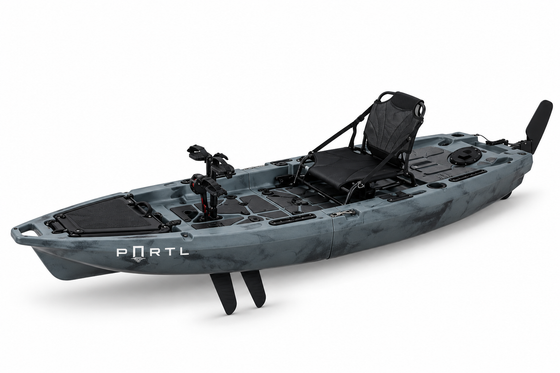
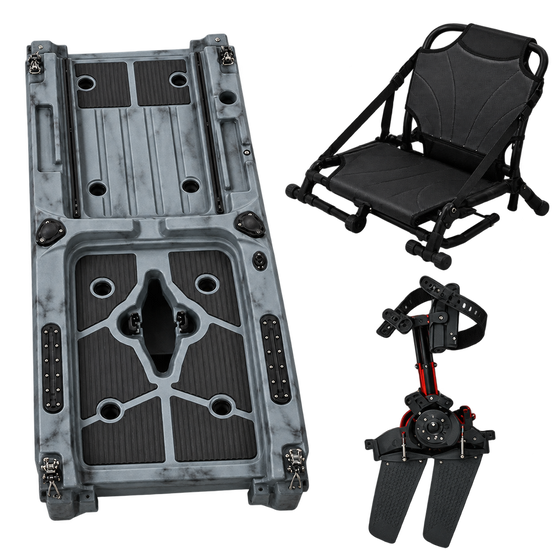
PORTL Passage Solo Fishing Kayak — 3 m
$1,699.00 AUD
Fin pedal package · Includes GST · Delivery additional
View product ↗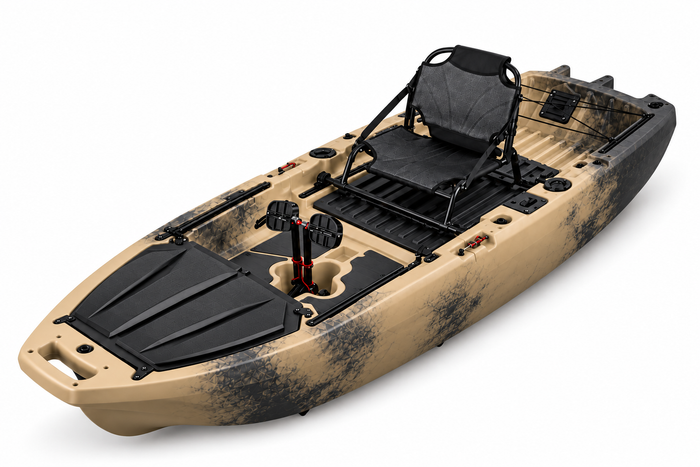
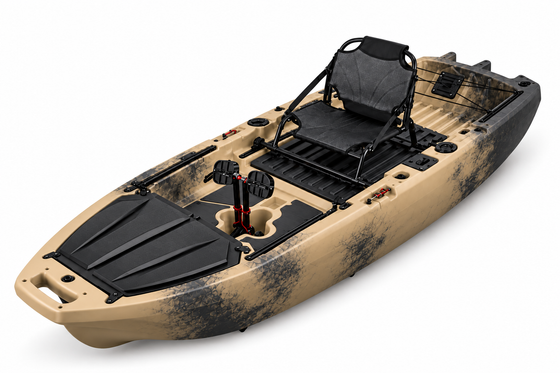
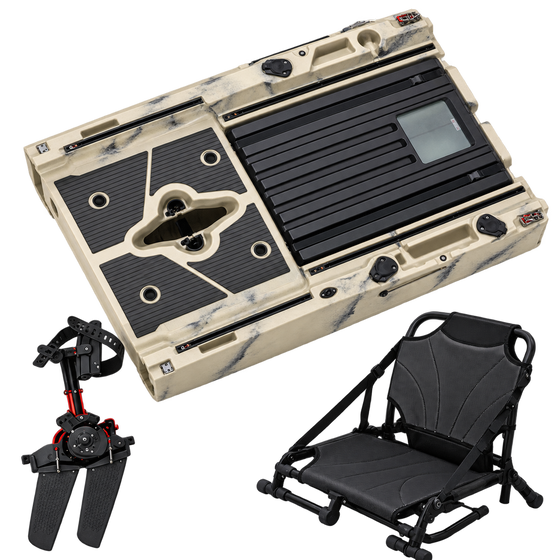
PORTL Odyssey Solo Modular Fishing Kayak — 3 m
$1,899.00 AUD
Fin pedal package · Includes GST · Delivery additional
View product ↗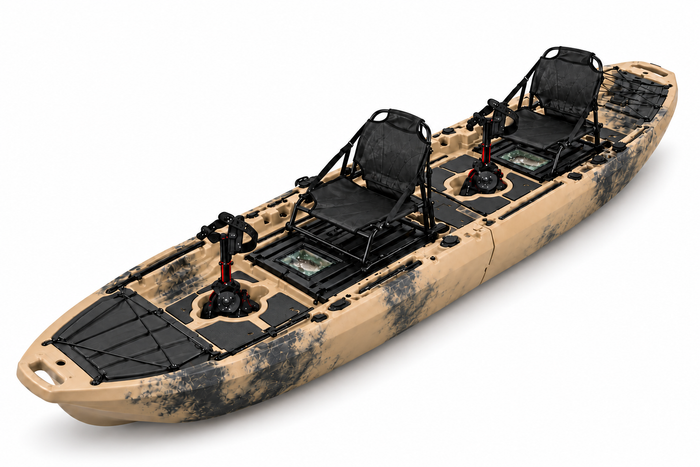
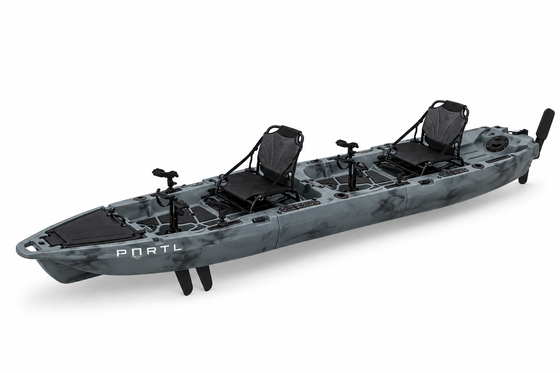
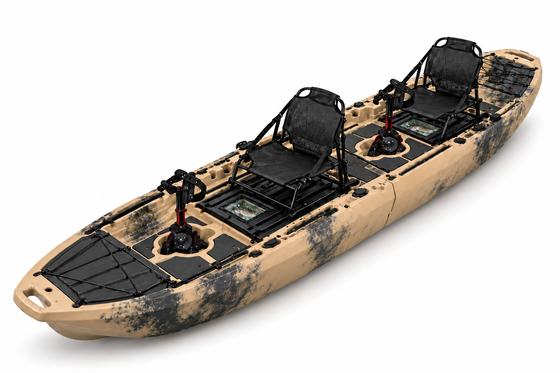
PORTL Odyssey Tandem Modular Fishing Kayak — 4.45 m
$3,399.00 AUD
Fin pedal package · Includes GST · Delivery additional
View product ↗
A GUIDE FOR AUSTRALIAN BUYERS
Looking at an inflatable fishing kayak because a full-length hull is difficult to transport or store? A modular fishing kayak is another option: a rigid hull that separates into shorter sections. Here is how to choose between them.
An inflatable can suit you when packing into a bag is the priority. A modular kayak can suit you when you want separate rigid sections and a launch routine without hull inflation. Neither construction type guarantees a lighter lift, better fishing performance or a fit inside your car. Compare the actual models and the complete equipment you will carry.
By PORTL Kayaks · Updated 13 October 2026. We sell modular fishing kayaks. This is a buying guide, not an independent or hands-on comparison. PORTL sample measurements and physical car-fit tests are pending.
Are inflatable kayaks good for fishing?
Yes, purpose-built inflatable fishing kayaks can be a suitable option. Start with the model's intended use, seating, usable deck space, rod and accessory mounts, and capacity for the angler and equipment. A basic recreational inflatable and a specialised fishing inflatable are different products.
Construction varies too. Some models use drop-stitch panels, with internal threads supporting the panel shape under pressure. Do not assume all inflatables have the same stiffness, handling or durability. Equally, a rigid modular hull alone does not prove superior speed or stability.
Picture your normal fishing session. Can you reach your tackle, manage a rod and operate the propulsion and steering comfortably? Check the manufacturer's guidance for the exact model and intended conditions. A wide hull or a fishing label is not evidence that standing, offshore use or a particular load is suitable.
Inflatable vs hard-shell kayaks: where modular fits
A modular kayak is a type of hard-shell kayak. Its rigid hull separates into sections for transport and storage. A traditional one-piece hard-shell kayak stays at its assembled length. An inflatable deflates, while a folding kayak folds or collapses its structure. Those differences change the space and preparation each design needs.
| Compare | Inflatable | Modular hard-shell | One-piece hard-shell |
|---|---|---|---|
| Packed form | Deflated hull, usually in a bag | Separate rigid sections | Full-length rigid hull |
| Space to allow | Bag, pump and all other equipment | Every section, seats, drive and gear | Whole hull, plus removable equipment |
| Before launching | Inflate to specified pressure and fit equipment | Join and inspect sections, then fit equipment | Unload and fit removable equipment |
| What to lift | Loaded bag or separate packed items | Each section and separate equipment | Hull and separate equipment |
| Car transport | Check the complete packed kit | Check opening, loading path and storage layout | Check a suitable interior, rack or trailer arrangement |
These are construction differences, not measured performance scores. Every design needs the care and inspections specified for its materials, fittings and propulsion.
Compare specific models, not category claims
The examples below show why “portable” and “lightweight” need numbers. They are manufacturer reference figures checked on 13 October 2026, not PORTL test results. The Hobie reference is explicitly for model year 2024; confirm the specification and inclusions of the unit offered by your Australian seller.
| Model | Packed dimensions | Published weight basis | Propulsion and inclusions to check |
|---|---|---|---|
| BOTE LONO Aero 12′6″ | Travel bag: approximately 104 × 48 × 33 cm, converted from 41 × 19 × 13 inches | 33 kg loaded bag; 23 kg average hull. Confirm the contents of that loaded bag. | APEX pedal drive sold separately. Listed items include hand pump, travel bag, repair kit and removable centre fin. |
| Hobie Mirage iTrek 9 Ultralight, MY2024 | Bag: 70 × 62.5 × 40 cm | 9 kg fitted hull; 16.5 kg fully rigged. A loaded bag weight is not given in this reference. | MirageDrive GT with Kick-Up Fins. Listed equipment includes seat, paddle, hand pump, electric pump and carry bag. |
| PORTL Passage Solo / Tandem | Two / three rigid sections. Verified packed dimensions are pending sample measurement. | Verified section weights and heaviest lift are pending. | Solo includes one selected pedal drive and one standard chair. Tandem includes two selected pedal drives and two standard chairs. Electric motors and batteries are optional additions. |
A hull weight, fully rigged weight and loaded bag weight describe different things. They cannot establish which complete package is easiest to lift. For each shortlisted model, ask the seller to identify the heaviest item you will actually carry.
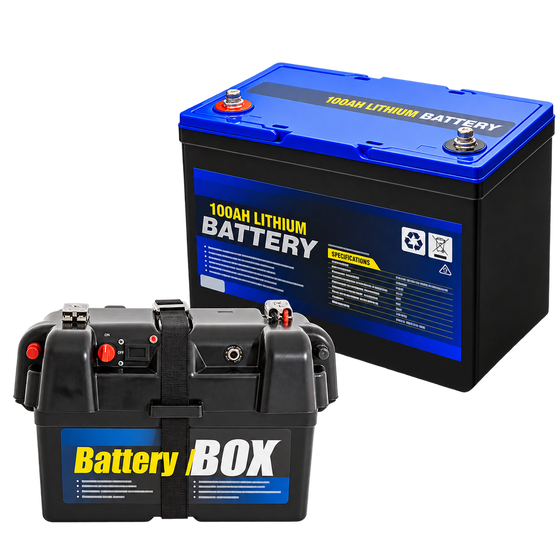
Compare delivered Australian costs: request a current AUD quote for the kayak, chosen drive, necessary equipment and delivery to your postcode. A location-specific delivered total is not established here for any model. For BOTE, include the separately sold pedal drive if that is the configuration you want. For PORTL electric, allow for a suitable battery and charger and confirm their requirements before buying them.
Will it fit in your car and storage space?
Assembled length does not tell you the packed size. For an inflatable, check the bag and everything carried outside it. For a modular kayak, check every section's length, width and height, including fittings. Plan where the seats, drive, pump or battery and fishing gear will go.
Measure your vehicle with the seats in the positions you will actually use. Check the narrowest opening, floor space and obstructions, while retaining a safe driving position, passenger space and secure load restraint. Boot capacity in litres cannot establish whether a rigid section fits.
Going through the hatch is only one stage. Angling a section may help it pass an opening, but it must also clear the sill, rotate or lower inside, and leave room for the other sections. A diagonal opening measurement alone does not prove that full movement is possible or that the hatch will close.
Our car-fit checker can help assess dimensions and possible arrangements. A calculated candidate is not a verified loading path or physical fit test. Read the kayak transport and storage guide and confirm the complete arrangement before buying.
Plan around the heaviest lift
Separate sections change how you carry a kayak; they do not establish a lower total weight. Consider stairs, the distance to the launch, how many trips you will make and whether each item is manageable for you. If you need a trolley, check its suitability for the kayak and launch surface.
Compare the whole setup and pack-down routine
An inflatable needs its specified inflation procedure and pressure checks. A modular kayak needs its sections connected and inspected correctly. Both may need seats, rudder components and fishing equipment fitted.
Ask for a continuous demonstration from packed equipment to ready to launch, then through pack-down. Include cleaning, drying and storage at home. BOTE's LONO care guidance says to let the kayak dry completely before rolling it into its bag. Follow the exact model's instructions; this is not evidence of a timed advantage for PORTL.
Choose propulsion as well as hull type
Inflatable does not automatically mean paddle-only: the model examples above include pedal compatibility and pedal propulsion. Decide what you need, then check the exact mounting, steering, drive clearance and package contents. Do not assume a motor or another drive can be added later without approved compatibility.
Read our pedal versus paddle buying guide and fin versus propeller comparison. For electric setups, confirm the motor, controls, mounting, battery and charger requirements as a complete system.
Ask about parts and Australian support
For inflatables, ask about valves, repair materials and removable components. For modular kayaks, ask about hull sections, joining hardware, rudder parts and drives. Establish who handles support in Australia, the written warranty terms and how replacement parts are obtained.
Which approach should you choose?
Shortlist an inflatable when its complete packed kit suits your space and lifting needs, and you are comfortable with its inflation and care routine. Choose a model designed for your fishing plans, rather than assuming every inflatable performs alike.
Shortlist a modular fishing kayak when you want rigid sections, prefer to avoid hull inflation and can accommodate every piece. Confirm the loading path, storage arrangement and heaviest lift. The appeal is a sectional rigid hull; suitability still depends on the specific kayak and your setup.
Before deciding, obtain four things: complete packed measurements, the heaviest lift, an itemised equipment list and a delivered AUD quote. For broader help, start with our Australian fishing kayak buying guide.
Considering PORTL?
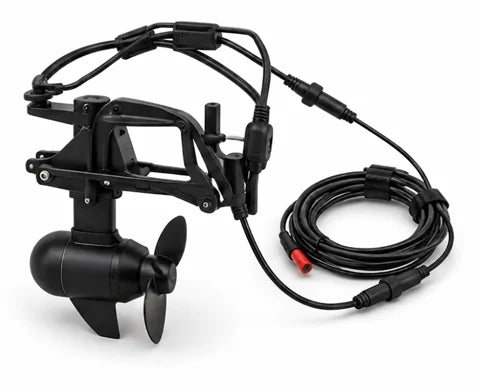
PORTL Passage and Odyssey are available as Solo or Tandem modular fishing kayaks. Choose an included fin or propeller pedal package, then add optional electric motors, separate batteries and accessories for the way you fish.
Electric motors are optional additions. Solo includes one selected pedal drive; Tandem includes two. These selected drives remain included when you add motors. Battery bundles and extra complete drives are separate choices. Confirm the itemised package and freight quote before payment.
Our first sample is awaiting physical verification. The specifications shown are PORTL specifications. We will add measured section dimensions, weights, original photographs and documented loading trials after completing those checks. We are not claiming a confirmed fit for your vehicle or tested superiority over another brand.
Tell us your vehicle, storage space and whether you fish solo or with someone else. Talk to James about your setup.
Common buying questions
Is a modular kayak the same as a folding kayak?
No. A modular kayak separates into rigid hull sections. Folding designs fold or collapse their structure. Inflatable designs deflate. Compare their complete packed dimensions and assembly requirements.
Is a modular kayak lighter than an inflatable?
There is no reliable category-wide answer. Compare like-for-like complete weights and the heaviest single lift. PORTL's section weights remain unverified, so we cannot claim a weight advantage.
Does a modular kayak need roof racks?
Roof racks may be unnecessary if every section and all equipment fit securely inside your vehicle. Modular construction alone does not guarantee interior fit.
Can a modular kayak fit diagonally through a boot opening?
Some combinations may allow angled entry, but opening clearance, the movement inside the vehicle and the final storage arrangement all need to work. A physical loading trial is stronger evidence than a dimension estimate alone.
Sources and verification
Manufacturer references checked 13 October 2026: BOTE Australia's LONO Aero specifications and care guidance; Hobie's Australian MY2024 iTrek 9 specification sheet; and Razor Kayaks' construction guide. Specifications and packages can change; confirm the exact model with the seller.
PORTL information describes our range and product specifications. No manufacturer statement, calculator output or illustrative image in this guide represents a physical PORTL test.
Explore all fishing kayak buying guides
Explore the PORTL model families
See compare Passage and Odyssey for current package prices and inclusions. Read about modular and portable fishing kayaks or compare folding versus modular hulls if you are exploring other storage options.