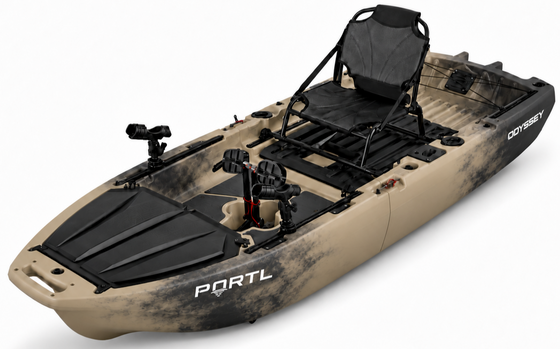
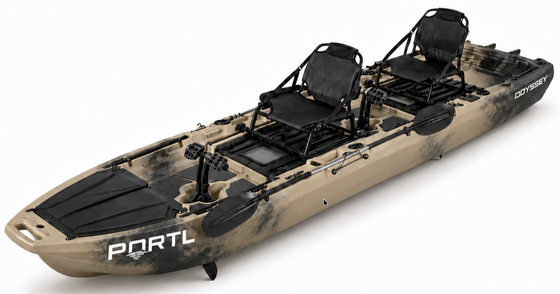
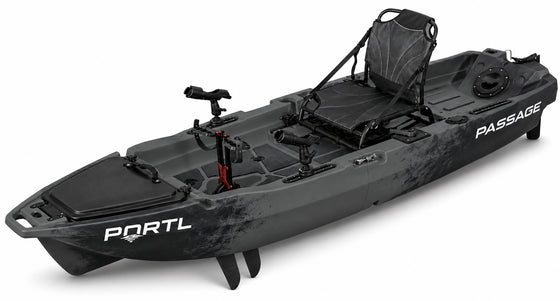
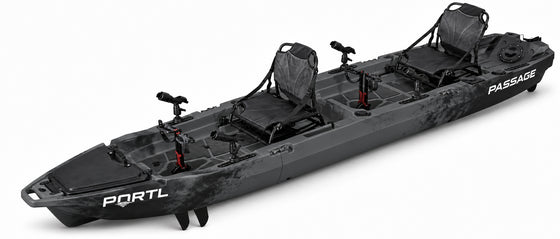


Care for your PORTL fishing kayak with a routine covering the hull, joints, pedal drive and optional electric equipment. Use this checklist alongside the manual for each fitted component.
After each trip: rinse, inspect and dry
Rinse the hull, rudder, paddle, pedal drive and fittings with fresh water, especially after saltwater use. Clear sand and grit from the modular joints, latches and rails, then allow the parts to dry before storing them. Follow the separate instructions for electrical equipment.
Work around the parts you handled during the outing. Check the hull joints and latch hardware, seat fittings and drive mounting points. If a latch pin is missing or a fitting is damaged, resolve the problem before the next launch. The modular kayak assembly guide shows the joint, latch and rudder checks.
For a Tandem, repeat the checks at both hull joints and for each fitted seat and drive. Keep the parts from each model family together when separating the kayak for transport.
Fin and propeller pedal drives need different checks
Fin pedal drive
Rinse the fin drive with fresh water after every outing using a hose. Avoid high-pressure sprayers. Before use, inspect the chains and wires in the drum, check their connections and look for slack or excessive play in the fins. Confirm smooth pedal and fin movement.
The PORTL fin-drive guide specifies lubrication and chain-and-wire checks every six months or 75 days of use. Consult the fin pedal drive care and fin-replacement instructions for the detailed procedure. Contact PORTL if you are unsure how to adjust or service the unit.
Propeller pedal drive
Rinse the drive with fresh water after each outing and avoid high-pressure spray. Check that its upper and lower covers are flush and fully threaded before use. Follow the manual’s gear-lubrication and cover-seal checks every six months or 75 days of use.
If the propeller strikes an object and stops driving, consult the shear-pin section of the illustrated manual before using it again. The propeller pedal drive assembly and care guide links to that manual.
Remove the pedal drive before beaching. The guides cover maintenance for PORTL equipment; do not assume the same settings or service steps apply to a different brand.
Shut down electric equipment before cleaning
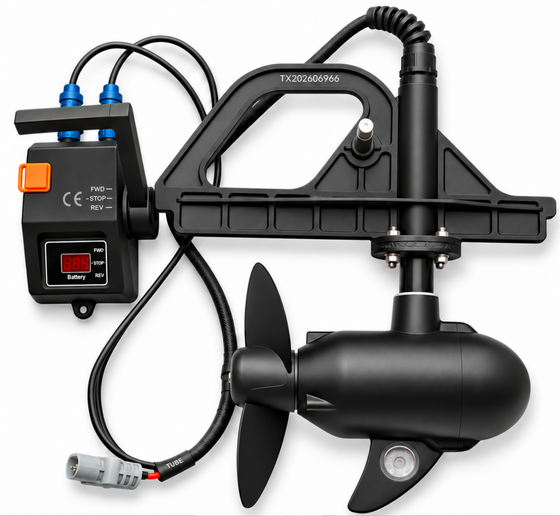
For a fitted PORTL electric motor, return the throttle to neutral and wait for the propeller to stop. Disconnect the battery, then follow the manual’s sequence for disconnecting the remaining leads. Do not inspect a propeller while the battery is connected.
Rinse the housing, shaft and propeller with fresh water. Avoid high-pressure spray on connectors and seals, and dry the unit before storage. Remove the motor before transporting the hull. Refer to the motor operation and troubleshooting guide for startup, shutdown and fault checks.
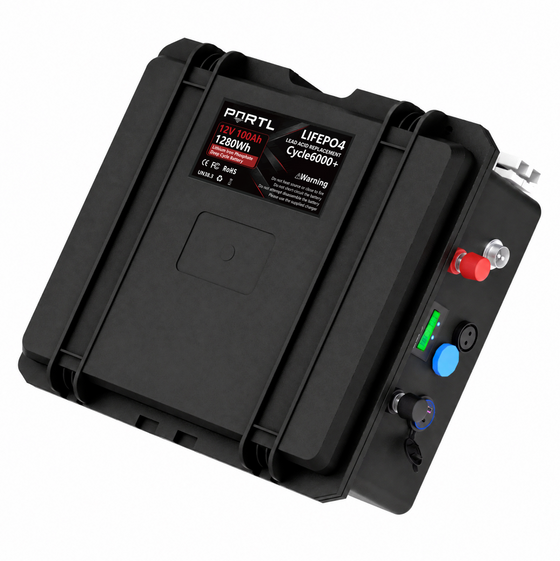
Battery charging is a separate task. For the PORTL 12.8V 100Ah LiFePO4 battery, use a compatible charging source and the settings specified for the exact model. Its guide recommends fully charging before first use and after more than three months in storage. Check the battery charging and care guide rather than applying generic battery settings.
Store the complete setup, not just the hull
Plan space for the hull sections, chairs, pedal drives and any motor, battery or fishing accessories. Support the sections appropriately, protect fittings and avoid placing weight on components that could be damaged. Follow the equipment instructions for storage and protect the hull from prolonged heat and exposure.
Use the transport and storage guide to check section dimensions and lifting weights. A place that holds the hull still needs a practical loading route and space for the rest of your equipment.
If you use stabilisers, rinse salt and sand from their joints and let the fittings dry. Before refitting, use the stabiliser and outrigger installation guide to check the model-specific mounting arrangement.
Before the next trip
- Check that every hull joint sits evenly and every latch is secure and pinned.
- Test the rudder steering and lift, and check the retaining hardware.
- Check each seat attachment and drive mounting lock.
- Follow the inspection checklist for your fin drive, propeller drive or motor.
- Resolve missing parts, damage or persistent faults before launching.
This is an equipment-care checklist, not a complete trip-safety checklist. Use the full instructions for your configuration and plan for the conditions and requirements of your outing.
Common fishing kayak care questions
Should I rinse the kayak after saltwater use?
Yes. The PORTL hull and drive guides call for fresh-water rinsing, with particular attention after saltwater use. Clear grit from joints and fittings and let components dry. Follow separate instructions for electrical equipment.
Can I pressure-wash my pedal drive?
The PORTL fin and propeller drive guides advise against high-pressure spray. Use the cleaning method specified in the guide for your drive.
Where can I find the full maintenance instructions?
The PORTL manual library contains online guides and illustrated PDFs. If you cannot identify a component or a fault remains, contact PORTL before using it.
Still choosing your setup? Compare PORTL fishing kayaks or read the fin versus propeller comparison.
For the full set of comparisons and ownership guides, visit the PORTL fishing kayak guide library.